
Gardening for Stress Relief
Gardening for Stress Relief: How Growing Plants Heals Mind and Body
Gardening is the practice of cultivating plants at home—whether in a backyard, balcony, or windowsill—and it has been widely recognized as a powerful way to support both physical and mental health. For people who want to reduce stress, gardening offers something rare: a simple, hands-on activity that calms the nervous system while creating visible, living results.
In a fast-paced world filled with screens and noise, tending to soil and plants brings the body back to a natural rhythm.
A Quick Snapshot of the Benefits
- Lowers stress hormones and eases anxiety
- Improves mood and supports mental clarity
- Encourages mindfulness and present-moment awareness
- Builds a sense of purpose and accomplishment
- Regulates the nervous system through sensory grounding
Gardening isn’t just about plants. It’s about healing through small, consistent actions.
Calming the Stress Response Naturally
Chronic stress keeps the bod...
Homegrown Goods: The Art of Presenting Garden Gifts
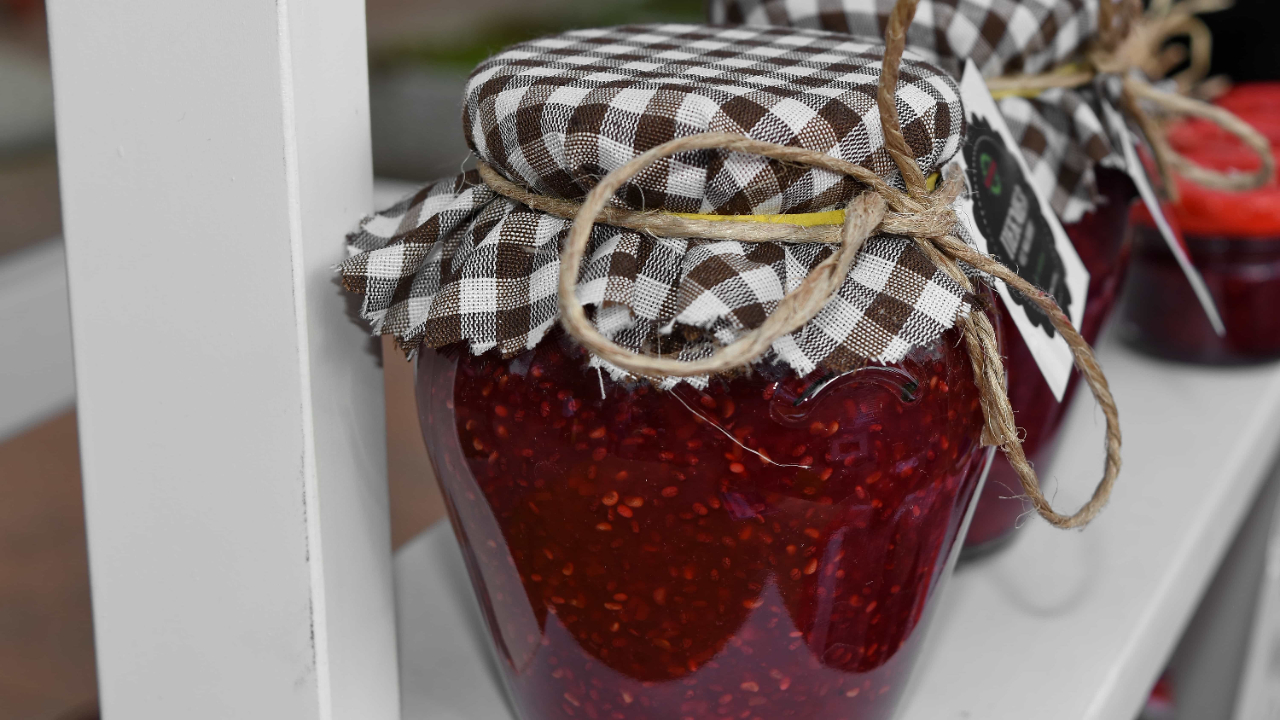
The Art of Presenting Homegrown Goods: From Garden to Gift
Few things feel as satisfying as sharing what you’ve grown yourself — the jars of summer jam, baskets of herbs, or loaves infused with your own lavender or rosemary. Whether you’re gifting to friends or selling at a market, how you prepare and present your homegrown foods matters as much as their taste.
A thoughtful presentation turns homemade into memorable.
Quick Takeaways
- Add artistry to authenticity: clean packaging, natural textures, and thoughtful labels elevate your gift.
- Layer color, texture, and scent — they shape first impressions before the first bite.
- Safety and labeling build trust for buyers and appreciation from recipients.
- Homemade cards or recipe tags personalize every jar or basket.
- Sustainable wrapping—cloth, twine, and reused glass—aligns beauty with responsibility.
Framing the Experience
Homemade food has a special magic. It’s a story you can taste: soil, weather, and the gardener’s care....
From Soil to Sustainability
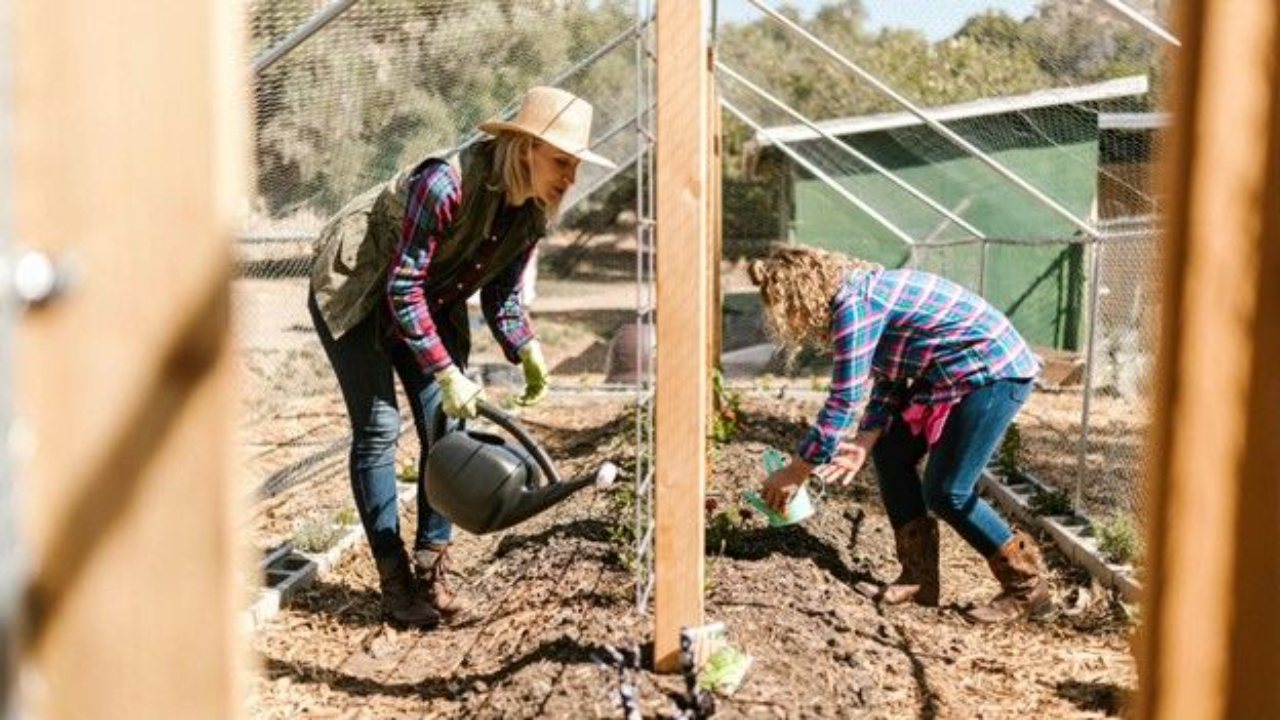
Image via Pexels
From Soil to Sustainability: A Practical Guide to Starting and Monetizing a Small Farm
If you’ve been craving a life tethered to the land, where your hands work in rhythm with the seasons and your profits grow from the earth, launching a small farm might be your calling. But make no mistake—farming is a business just as much as it is a lifestyle. That means you’ll need to make smart decisions from the very beginning to create something that can thrive both agriculturally and financially. Whether you dream of lush rows of vegetables, pasture-raised animals, or something more unconventional like agritourism or alternative energy partnerships, there’s a path forward. What matters is planning with intention and acting with clarity.
Choosing the Right Land
Before you buy a single seed or tractor, you’ll need to secure land that actually supports your farming goals. Soil quality is critical, and so is water access—two things that aren’t always obvious in a real estate li...
From Garden to Table: Designing Your Edible Landscape for Beauty and Bounty
From Garden to Table: Designing Your Edible Landscape for Beauty and Bounty
Photo by Freepik
Imagine stepping into your garden, where the very essence of beauty merges seamlessly with practicality. Each plant, flower, and shrub not only adds to a stunning visual display but also promises a bountiful harvest of fruits, vegetables, and herbs. This is the heart of creating an edible landscape—a harmonious blend of form and function that transforms your outdoor space into a living, breathing canvas of sustenance and aesthetic appeal.
In this guide, courtesy of Edible Gardens Inc., we'll share essential tips and innovative ideas to help you cultivate an edible landscape that is not only a feast for the eyes but also for the table. Whether you're a seasoned gardener or a green-thumbed newbie, get ready to turn your garden dreams into a delicious, blooming reality.
Use Raised Beds
Raised beds offer a multitude of benefits for your garden, from improved soil conditions to enhanced plant ...
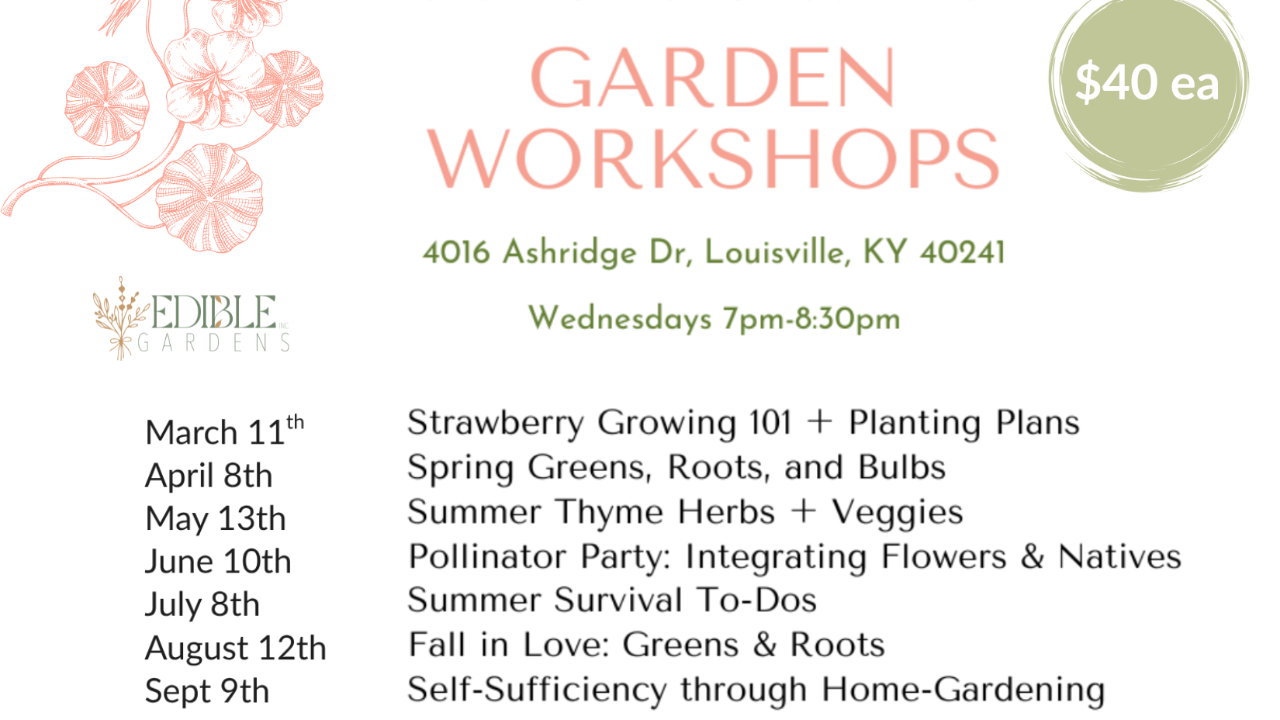
How to Plant Strawberries in Kentucky

How to Germinate Seeds Indoors for Spring Success
It can feel like forever waiting for seeds to sprout once we've planted them. If you're feeling anxious - don't worry, it is still very early in the Kentucky growing season. Soil temperatures outdoors are not staying warm enough for long enough to properly germinate vegetable seeds outdoors. The question is, how can you germinate seeds now to get a jump start on the growing season?
Hiring a professional garden coach makes it easy as they always have helpful tips on seed germination in a jiffy! But for you DIY'ers... here are the dirty deets:
#1. Seed Selection
You may start *most* lettuces, brassicas, and some herbs indoors now. EX: salad greens, cooking greens, broccoli, cauliflower, cabbage, kohlrabi, (wait on brussels sprouts), fennel, celery, green onions, dill, cilantro, calendula, nasturtium, etc.
It is not advised to start root vegetables indoors or very fast growing plants. EX: Carrots, beets, turnips, radish, parsnips, rutabaga, potato, snow peas, snap peas. Having to tra...
Summer Survival Kit is Here!

|

|
How to Plant Seed Potatoes NOW!
Tiny tips on taters: 🥔Buy seed potatoes from a local nursery 🥔May cut into 3-4 pieces but be sure there is an eye on each piece 🥔plant eye side up 🥔Plant 1 potato piece per square foot 🥔 Plant 2-3 inches below the soil
Don't have deep soil? Plant in a pot OR on the ground underneath 2" of straw.
How to know when they are ready to harvest?
When the plants flower, the tubers are developed. If you harvest now, the skins will be soft so you must eat them right away.
When the plants "die back" and turn brown, the potato has cured underground and will store better. Harvest!
ENJOY!
Opt-in to receive email updates at www.ediblegardensinc.com!
Edible Flowers For Fall in the Midwest

Dandelions, pansies, and chives oh my!
Let’s talk about the edible flowers of the midwest!
Below is a list of the fall edible flowers you can grow in Kentucky and the midwest as well as some ways to use edible flowers. Some add strong flavor, others are used in herbal remedies, and all of them look beautiful taking any dish from good to gorgeous! I always encourage gardeners to plant fruits, vegetables, and flowers to increase their food security through their garden. The flowers help attract more beneficial bugs and pollinators and if you use the flowers listed in the blog you can eat them all too so no space in the garden goes to waste.
Keep in mind when growing these treat them just like fruits and veggies, avoid using pesticides and herbicide on the plants especially the flower and try to only use natural fertilizers. Give me a call if you want to fertilize your beds because I’ve got a great all natural soil booster I can come and apply as well as clean up your beds and ...
10 Steps to Starting Your Edible Garden

1. Look at your yard, this is vital. Look at it in the morning, midday, and afternoon. If you want, just sit in your yard for a day and if anyone asks, say you're working on your garden because it's the truth. You need to know where the sun hits in your yard. While you watching take note of where the sun hits at each point in the day. Placing your garden in the right place will set you up for success right away.
2. Once you've observed your yard, use the information you collected to find a spot that gets around 6 hours of direct sunlight. If you have to choose between shaded in the morning or shaded in the late afternoon choose the afternoon shade as this can be helpful in the peak of summer.
3. Make a plan. Before you put a shovel in the ground you need to make a plan for your garden. This will help you stay focused and motivated because you will have a clear goal. Your plan should include a garden layout; how every you want to organize your garden. Here at Edible Gardens, we use r...
Author

Marlena Wolf
Author
Always following her passion to make things grow, she's been an entrepreneur for 10 years, a horticultural expert for 11 years, and a mom for 5 years.
Recent Posts
