
Homegrown Goods: The Art of Presenting Garden Gifts
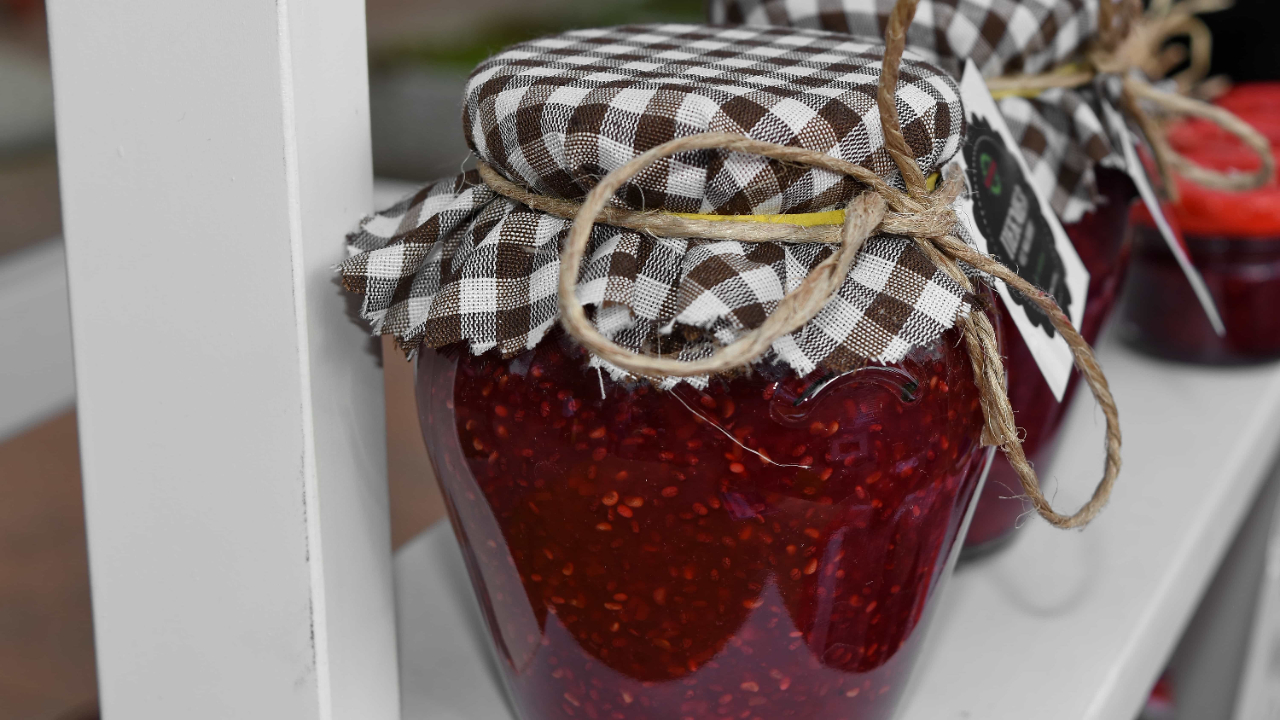
The Art of Presenting Homegrown Goods: From Garden to Gift
Few things feel as satisfying as sharing what you’ve grown yourself — the jars of summer jam, baskets of herbs, or loaves infused with your own lavender or rosemary. Whether you’re gifting to friends or selling at a market, how you prepare and present your homegrown foods matters as much as their taste.
A thoughtful presentation turns homemade into memorable.
Quick Takeaways
- Add artistry to authenticity: clean packaging, natural textures, and thoughtful labels elevate your gift.
- Layer color, texture, and scent — they shape first impressions before the first bite.
- Safety and labeling build trust for buyers and appreciation from recipients.
- Homemade cards or recipe tags personalize every jar or basket.
- Sustainable wrapping—cloth, twine, and reused glass—aligns beauty with responsibility.
Framing the Experience
Homemade food has a special magic. It’s a story you can taste: soil, weather, and the gardener’s care. Yet presentation transforms that story into something people want to open, share, and remember. The right wrapping doesn’t need to be expensive; it simply needs to echo the sincerity of what’s inside. Think: rustic elegance, clean lines, and natural materials that feel intentional.
Elevate Your Edibles with Simple Enhancements
Even the smallest details, from labels to ribbons, create an emotional link between your product and its story. Here are easy ways to make your homegrown creations shine:
- Choose containers that match the food’s character. Glass jars flatter jams and pickles; paper pouches fit herbs or teas.
- Let the product show. Transparent packaging invites curiosity.
- Use consistent color schemes. Soft neutrals for rustic looks, brighter hues for festive offerings.
- Label with clarity and charm. Handwritten or printed labels that mention ingredients, harvest dates, or even “Made in our kitchen garden” build trust.
- Add a natural accent. A sprig of rosemary tied with twine adds both scent and symbolism.
How to Package with Intention
Before wrapping, always ensure your product is properly sealed and labeled for safety. Then, follow this simple checklist for professional polish.
Homegrown Food Presentation Checklist
- ☐ Containers sterilized and sealed
- ☐ Product labeled with name, date, and ingredients
- ☐ Exterior wiped clean and smudge-free
- ☐ Decoration secured but not obstructing label
- ☐ Consistent style across all gifts or sale items
- ☐ Packaging made from recyclable or compostable materials
Using Custom Cards to Add a Personal Touch
When you’ve poured time and care into your homemade goods, finishing them with a personalized card completes the gesture. A simple tag can say who it’s from, what’s inside, or even offer a serving suggestion. You can design free print cards using easy-to-edit templates. These let you adjust colors, fonts, and graphics — then print at home or a local shop. Whether you’re labeling elderflower syrup or a jar of pickled beets, a handmade card transforms “something nice” into “something remembered.”
Presentation Materials at a Glance
|
Material Type |
Best For |
Pros |
Tip |
|
Glass jars |
Jams, pickles, sauces |
Reusable, shows product clearly |
Pair with kraft-paper label and twine |
|
Parchment paper |
Baked goods |
Breathable, rustic appeal |
Wrap with waxed string for old-world look |
|
Fabric squares |
Jar covers, baskets |
Sustainable, adds color |
Use linen or cotton; avoid synthetic blends |
|
Kraft boxes |
Cookies, sweets |
Stackable, easy to label |
Line with wax paper to prevent grease stains |
|
Reused containers |
Honey, dried herbs |
Eco-friendly, personal |
Sanitize thoroughly and decorate simply |
Inspiring Balance: Form Meets Function
It’s tempting to go ornate, but restraint reads as confidence. The clean jar, clear label, and small ribbon will often outshine cluttered decoration. Functionality, such as airtight lids or easy-to-read labeling, proves that you care about quality as much as aesthetics. This balance communicates both pride and professionalism.
Common Questions for Homegrown Givers
Before wrapping up your next batch, consider these frequent concerns from hobbyists and micro-sellers.
- How long can I store my homemade products before gifting?
Most preserves last 6–12 months if properly sealed. Dried herbs can last up to a year; fresh items should be given within days. Always include a “best by” note for clarity. - Do I need to list ingredients when gifting?
Yes, especially for allergies. A short label such as “Contains nuts, dairy, or honey” adds thoughtfulness and professionalism. - How can I keep packaging eco-friendly?
Favor reusable jars, compostable paper, and natural fibers. Avoid plastic wraps or single-use ribbons. - What’s the best way to ship homemade goods?
Use padding like shredded paper or biodegradable peanuts. Secure jars upright. Add a “fragile” sticker and avoid extreme temperatures. - How can I price homegrown items fairly?
Add up ingredient and packaging costs, then factor in time and presentation value. Handmade presentation allows for a modest premium — buyers pay for the story as well as the product. - Should I include care instructions?
Always. A brief note like “Refrigerate after opening” or “Best enjoyed within 2 weeks” ensures safety and builds trust.
The Joy in the Gesture
Presenting homegrown food beautifully isn’t about perfection; it’s about care. Whether you’re wrapping a single jar for a friend or fifty for a farmers’ market, presentation turns nourishment into narrative. You’re not just offering food; you’re offering a piece of your own season, your patience, your garden’s voice.
That’s what people truly remember and return for.
Written by Brad Krause
Author

Marlena Wolf
Author
Always following her passion to make things grow, she's been an entrepreneur for 10 years, a horticultural expert for 11 years, and a mom for 5 years.
Recent Posts
