
Gardening for Stress Relief
Gardening for Stress Relief: How Growing Plants Heals Mind and Body
Gardening is the practice of cultivating plants at home—whether in a backyard, balcony, or windowsill—and it has been widely recognized as a powerful way to support both physical and mental health. For people who want to reduce stress, gardening offers something rare: a simple, hands-on activity that calms the nervous system while creating visible, living results.
In a fast-paced world filled with screens and noise, tending to soil and plants brings the body back to a natural rhythm.
A Quick Snapshot of the Benefits
- Lowers stress hormones and eases anxiety
- Improves mood and supports mental clarity
- Encourages mindfulness and present-moment awareness
- Builds a sense of purpose and accomplishment
- Regulates the nervous system through sensory grounding
Gardening isn’t just about plants. It’s about healing through small, consistent actions.
Calming the Stress Response Naturally
Chronic stress keeps the body in fight-or-flight mode. Gardening gently nudges it toward rest-and-digest. The repetitive, tactile nature of planting, watering, and pruning slows breathing and lowers tension.
Ways to use gardening for stress relief:
- Start with low-maintenance plants. Herbs, lettuce, or succulents reduce overwhelm and create early wins.
- Create a 10-minute daily ritual. Even brief, consistent care helps regulate stress hormones.
- Work with your hands in the soil. The sensory contact promotes grounding and relaxation.
- Garden outdoors when possible. Natural light supports circadian rhythms and mood stability.
The result? A calmer nervous system and a noticeable drop in anxiety levels.
Improving Mood and Mental Clarity
Mood shifts often follow meaningful action. When you nurture something and watch it grow, your brain receives a subtle reward signal. This builds motivation and mental focus over time.
|
Gardening Action |
Mental Benefit |
Why It Helps |
|
Watering plants daily |
Builds routine stability |
Predictable habits reduce mental chaos |
|
Harvesting herbs |
Boosts satisfaction |
Visible results reinforce progress |
|
Planning plant layout |
Enhances focus |
Creative problem-solving sharpens attention |
|
Removing weeds |
Reduces irritability |
Physical release mirrors mental clearing |
Over time, these small interactions improve mood resilience and sharpen cognitive focus.
Cultivating Mindfulness Through Growth
Gardens unfold slowly. Seeds don’t rush. This natural pace teaches patience and presence. Each step—from preparing soil to noticing the first sprout—encourages attention to the moment.
To deepen mindfulness in your garden:
- Pause before watering and notice scents, textures, and sounds.
- Focus on one task at a time instead of multitasking.
- Observe small changes daily—the curl of a leaf, the shift in color.
- Accept imperfections as part of the growth cycle.
This steady engagement supports a grounded, attentive state that carries into daily life.
Building a Positive Mindset Through Consistency
Gardening shapes more than plants—it shapes perspective. Caring for living things teaches patience, resilience, and the value of incremental effort. When a seed fails to sprout, you try again. When leaves droop, you adjust. This quiet persistence builds confidence.
Small, consistent actions—watering, pruning, checking soil—become proof that progress happens gradually. Over time, these routines strengthen mental wellness habits: staying present, embracing growth, celebrating small wins.
The core lesson remains the same: steady care produces meaningful change.
Creating Your Own Garden: A Simple Checklist
Starting a garden doesn’t require a large yard. It requires clarity and intention.
Step-by-step guide to begin:
- ☐ Choose a space (balcony, yard corner, window ledge)
- ☐ Observe sunlight patterns for a few days
- ☐ Select beginner-friendly plants suited to your climate
- ☐ Prepare containers or soil beds with proper drainage
- ☐ Establish a watering schedule
- ☐ Track growth weekly to stay engaged
Keep it simple. The goal is consistency, not perfection.
Grounding and Sensory Healing
Gardening activates all five senses. The smell of soil, the feel of leaves, the sound of wind moving through stems—these experiences anchor attention in the present moment.
Sensory practices for deeper grounding:
- Run your hands through soil slowly and intentionally.
- Inhale the scent of herbs like rosemary or mint.
- Listen to natural outdoor sounds while you work.
- Notice temperature changes and shifting light.
These sensations help regulate the nervous system, especially during anxious periods. The body feels supported. The mind follows.
Helpful Resource for New Gardeners
If you’re looking for practical, science-based gardening advice, the Royal Horticultural Society (RHS) offers excellent beginner guides and plant care tips.
Their resources can help you choose plants, understand soil health, and build confidence as you start.
Frequently Asked Questions
How much time do I need to garden for stress relief?
Even 10–15 minutes a day can make a difference. Consistency matters more than duration.
What if I don’t have outdoor space?
Indoor container gardening works well. Herbs, microgreens, and small flowering plants thrive indoors.
Can gardening really reduce anxiety?
Yes. Physical activity, exposure to nature, and mindful repetition all support reduced stress levels.
What if my plants die?
Failure is part of the process. Learning and trying again builds resilience.
A Quiet Path to Healing
Gardening offers a holistic path to improved physical and mental health. It reduces stress, lifts mood, strengthens mindfulness, and provides a lasting sense of purpose. The act of tending plants regulates the nervous system while grounding the senses.
Written by Larry Waters
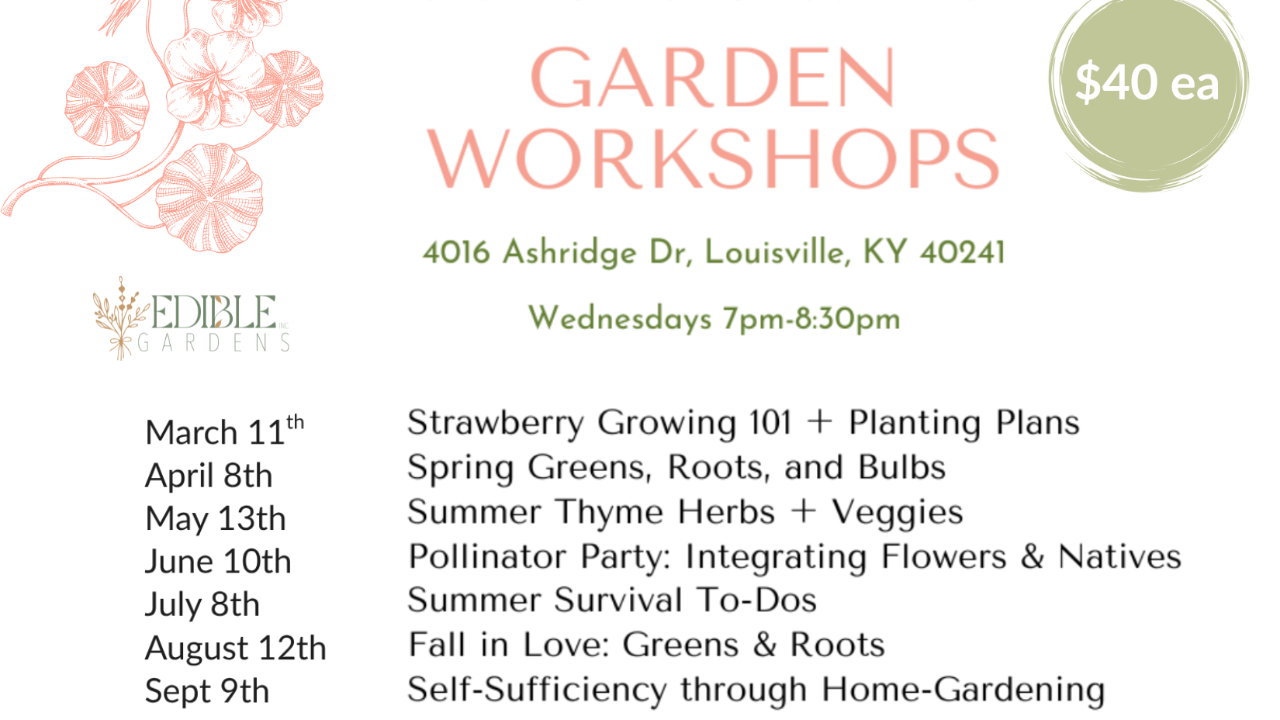
If you'd like local support in the Louisville, KY area, please sign up for our Monthly Garden Workshop Package that runs March-October. You can find more details here: https://www.ediblegardensinc.com/workshops. Hurry before spaces fill up!
Author

Marlena Wolf
Author
Always following her passion to make things grow, she's been an entrepreneur for 10 years, a horticultural expert for 11 years, and a mom for 5 years.
Recent Posts
